Heat Pump Buying Guide & Is This Worth It?
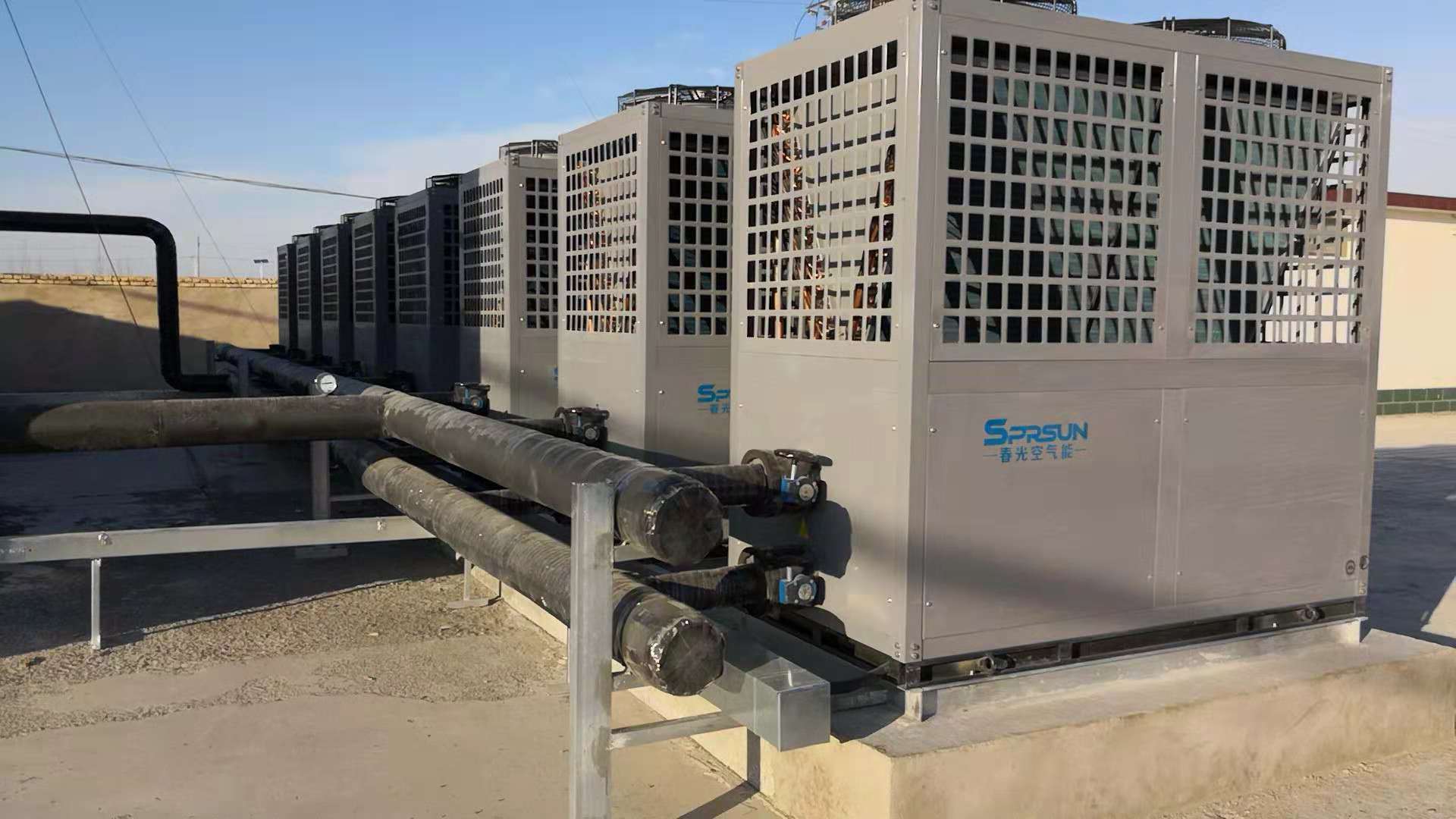
A Buying Guide to Air Source Heat Pumps
- Types – there are two types – air source monoblock and split heat pumps.
- Air source heat pumps are very common. The split heat pumps have two parts – the indoor and the outdoor unit. The outdoor unit has the refrigerant which absorbs the heat from the outside and after being compressed, releases the heat which is circulated indoors using a fan in the indoor unit.
- The monoblock configuration keeps all components of the heat pump within a single outdoor enclosure. Two pipes carry either water or a mixture of water and antifreeze between the outdoor unit and the interior portions of the overall system.
- The air-source heat pumps are about 75% more effective than the electric heaters and
they help dehumidify the indoor air too to a substantial extent.
- The indoor units in case of the split pumps are usually fixed higher up – either on the ceiling, or on the wall, or kept in the corridors, and operated via remote control. The outdoor unit and the indoor handler are connected via tubes. These are the ductless systems.
- Before deciding between the two types of heat
pumps, you need to know that few factors determine the operational efficiency of the system:
a. Energy efficiency – COP is the Coefficient of Performance. It tells you
how much heat the heat pump can produce per unit of electricity used. For
example, a COP value of 4 means that you get 4 kWh of heat for every 1 kWh of
electricity used to operate the pump. The higher the COP, the more energy-efficient the heat pump is.
b.
The climate of the place also plays a crucial role in determining if the
heat pump system is going to work optimally or not. For moderate climate or at
places where the temperature does not vary too widely between the minimum and
the maximum, the air source heat pumps and the air to water heat pumps are
quite effective. At places, where the temperature goes down below the freezing
point, you need to attach an auxiliary heating system along with the heat
pumps.
c. In colder temperatures, the COP will drop as the pump has to work harder to extract the heat. For example, a heat pump with a COP of 4 could drop to a COP of 2.5 at 0°C. So you might need to look for a DC inverter heat pump especially an EVI DC inverter heat pump if you live in the cold areas as low as -25°C.
7. Size – you need to pay attention to the size too. Too big a size or too small a size will not be able to heat or cool the space or water effectively. You need to speak to a professional about this.
The other features that you need to ponder upon include the noise output, the reverse cycle chiller, and the demand-defrost control to ensure that you bring home the best air to water heat pumps.
Comments
Post a Comment